


Welcome to Sapa
Nestled in the northern highlands of Vietnam, Sapa is a mountain town famous for its breathtaking landscapes and rich cultural diversity. At 1,600 meters above sea level, Sapa offers cool weather all year round, terraced rice fields that change colors with the seasons, and the chance to meet ethnic minority groups such as the H’Mong, Dao, Giay, and Tay.
For travelers from the Philippines and Indonesia, Sapa is the perfect destination for those seeking nature, adventure, and authentic cultural encounters—all just a few hours from Hanoi.
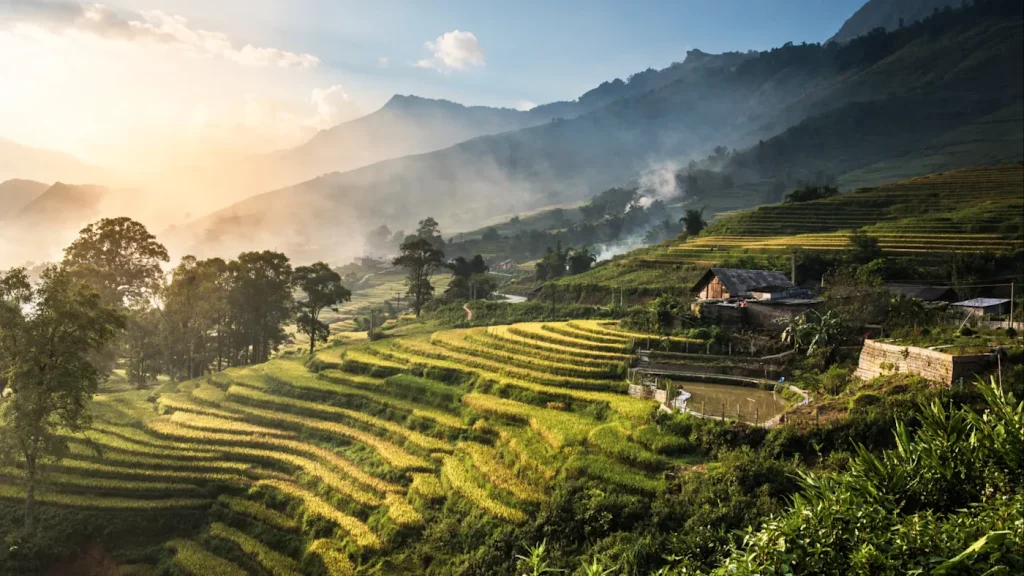
The poetic beauty of Sapa
Ethnic Diversity and Cultural Richness
Covering an area of about 678.6 km², Sapa is home to a mosaic of ethnic groups, including the H’Mong, Dao, Tay, Giay, Xa Pho, as well as the Kinh and Hoa communities. This diversity creates a vibrant cultural tapestry, where travelers can experience traditional customs, unique ways of life, and the lively atmosphere of local markets.
Beyond its cultural depth, Sapa also enchants visitors with the peaceful charm of its small town, set against breathtaking natural scenery. The harmony between tranquil village life and dramatic landscapes paints a picture-perfect setting, making Sapa an unforgettable destination for all who visit.

Sapa Misty Town
Things to Do in Sapa
1. Explore Ethnic Villages
One of the most rewarding experiences in Sapa is visiting the ethnic minority villages scattered across the valleys and hillsides. These communities give travelers a deeper understanding of local traditions, customs, and daily life, while being surrounded by breathtaking scenery.
-
Cat Cat Village – Just a short trek from Sapa town, Cat Cat is a traditional H’Mong village famous for its terraced rice fields, wooden houses, and handicrafts. Visitors can watch local artisans weaving, see traditional performances, and enjoy a small but beautiful waterfall inside the village.
-
Ta Van Village – Located in the heart of Muong Hoa Valley, Ta Van is home to the Giay ethnic group. The village offers panoramic views of terraced fields and mountain ranges. Staying in a family-run homestay here is a wonderful way to experience authentic hospitality and rural life.
-
Lao Chai Village – Known for its peaceful atmosphere, Lao Chai is surrounded by lush rice terraces and rolling hills. It is a favorite destination for trekkers, offering an up-close look at farming practices, traditional weaving, and the daily lifestyle of the local people.
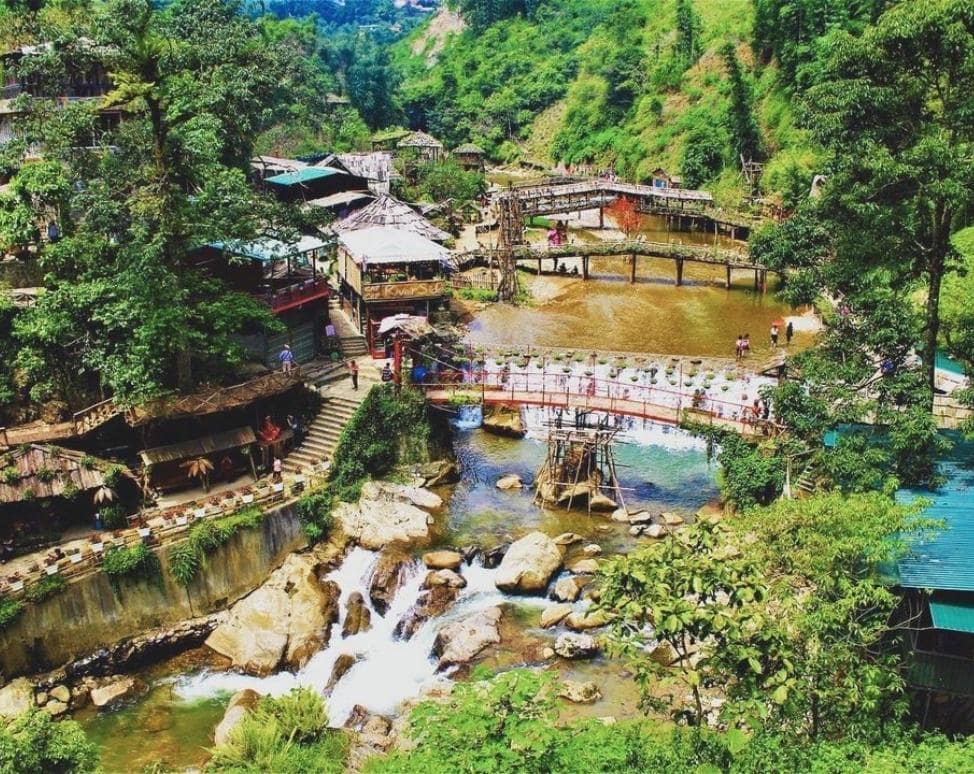
Cat Cat Village

Ta Van Village
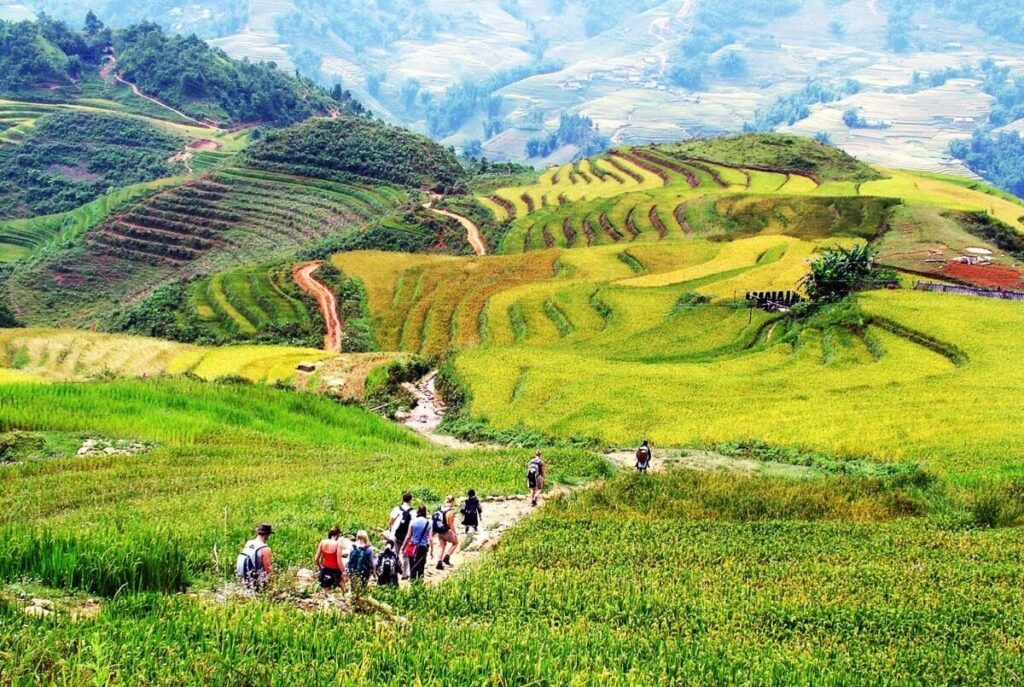
Lao Chai Village
2. Trekking Through Breathtaking Landscapes
Sapa is world-famous for its trekking routes that take travelers across stunning rice terraces, misty mountains, and remote ethnic villages. Whether you’re an adventure seeker or simply enjoy walking in nature, Sapa offers unforgettable trekking experiences. Popular trekking destinations include:
-
Fansipan Mountain – Known as the “Roof of Indochina,” Fansipan is the highest peak in Vietnam at 3,147 meters. Adventurous travelers can hike to the summit over several days, while others may prefer the cable car, which offers a comfortable ride with spectacular panoramic views.
-
Muong Hoa Valley – A picturesque valley filled with endless rice terraces, small streams, and charming villages. Trekking here allows visitors to enjoy postcard-like scenery and immerse themselves in the peaceful rhythm of rural life.
-
Love Waterfall & Silver Waterfall – Two of the most beautiful waterfalls in Sapa, surrounded by lush forests and fresh mountain air. They are perfect spots for nature lovers to relax, take photos, and enjoy the sound of cascading water.
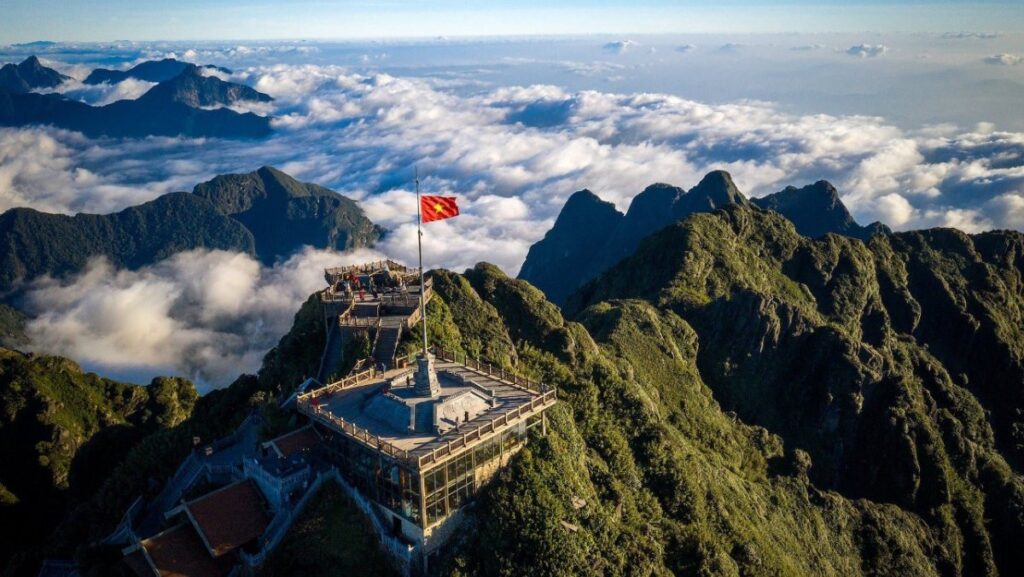
Fansipan mount

Muong Hoa valley
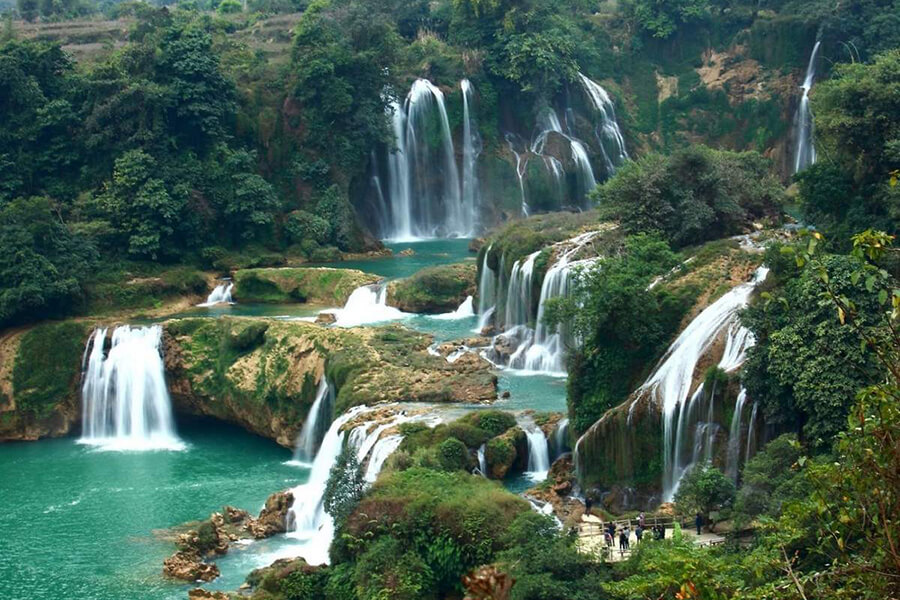
Silver Waterfall